B.C. rents can rise just 1.4 per cent after freeze ends
Glen Korstrom • September 10, 2020
Residential rental rate freeze ends in December but landlords will have to keep rental increases at low level into next year, province says
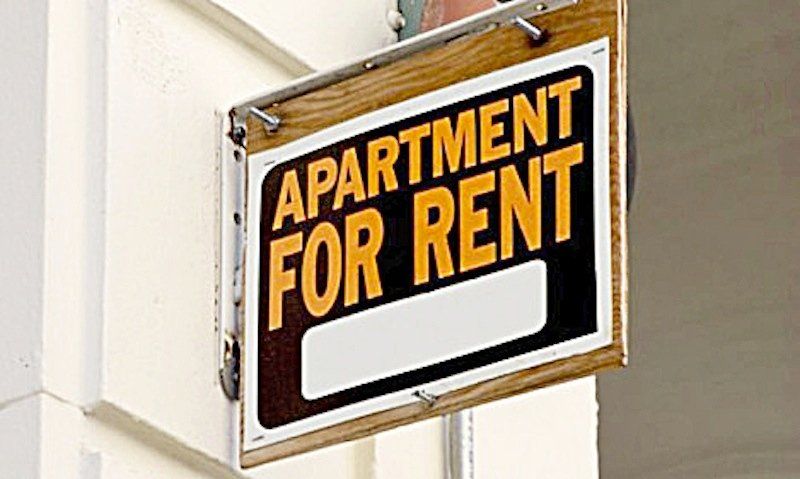
The B.C. government plans to end its freeze on rent increases starting in December, 2020.
Starting in 2021, landlords will be allowed to raise rents by a maximum of 1.4 per cent. The freeze on raising rents went into effect in March, and landlords are only able to raise the rent once a year, so the freeze on rent hikes did not help all renters, but impacted all landlords.
Any tenant who received a notice to increase rent that would have gone into effect after March 18 is allowed to pay their current rent until November, 2020, the B.C. government said in a statement on September 3.
B.C. landlords must provide tenants with three months' notice using a notice-of-rent-increase form so the earliest that the new 1.4 per cent increase could kick in would be January, 2021.
Before 2018, B.C. landlords were able to raise rents by the rate of inflation, plus an additional 2 per cent This translated into a maximum 2.6 per cent increase in 2020, before the rent freeze came into effect.
B.C. landlords must provide tenants with three months' notice using a notice-of-rent-increase form so the earliest that the new 1.4 per cent increase could kick in would be January, 2021.
Starting in 2021, landlords will be allowed to raise rents by a maximum of 1.4 per cent. The freeze on raising rents went into effect in March, and landlords are only able to raise the rent once a year, so the freeze on rent hikes did not help all renters, but impacted all landlords.
Any tenant who received a notice to increase rent that would have gone into effect after March 18 is allowed to pay their current rent until November, 2020, the B.C. government said in a statement on September 3.
B.C. landlords must provide tenants with three months' notice using a notice-of-rent-increase form so the earliest that the new 1.4 per cent increase could kick in would be January, 2021.
Before 2018, B.C. landlords were able to raise rents by the rate of inflation, plus an additional 2 per cent This translated into a maximum 2.6 per cent increase in 2020, before the rent freeze came into effect.
B.C. landlords must provide tenants with three months' notice using a notice-of-rent-increase form so the earliest that the new 1.4 per cent increase could kick in would be January, 2021.
The B.C. government removed the ability to add the extra 2 per cent rent hike in 2018 – a tweak that means that renters living in a $1,320-per-month apartment, which is the cost of the average two-bedroom rental unit in B.C., will save up to $317 in 2021, and people living in an average two-bedroom apartment in Vancouver will save about $420, according to the B.C. government. It said the end to the freeze on rent hikes enables property owners to make investments and repairs to maintain safe housing, while ensuring rent increases are moderate and predictable.
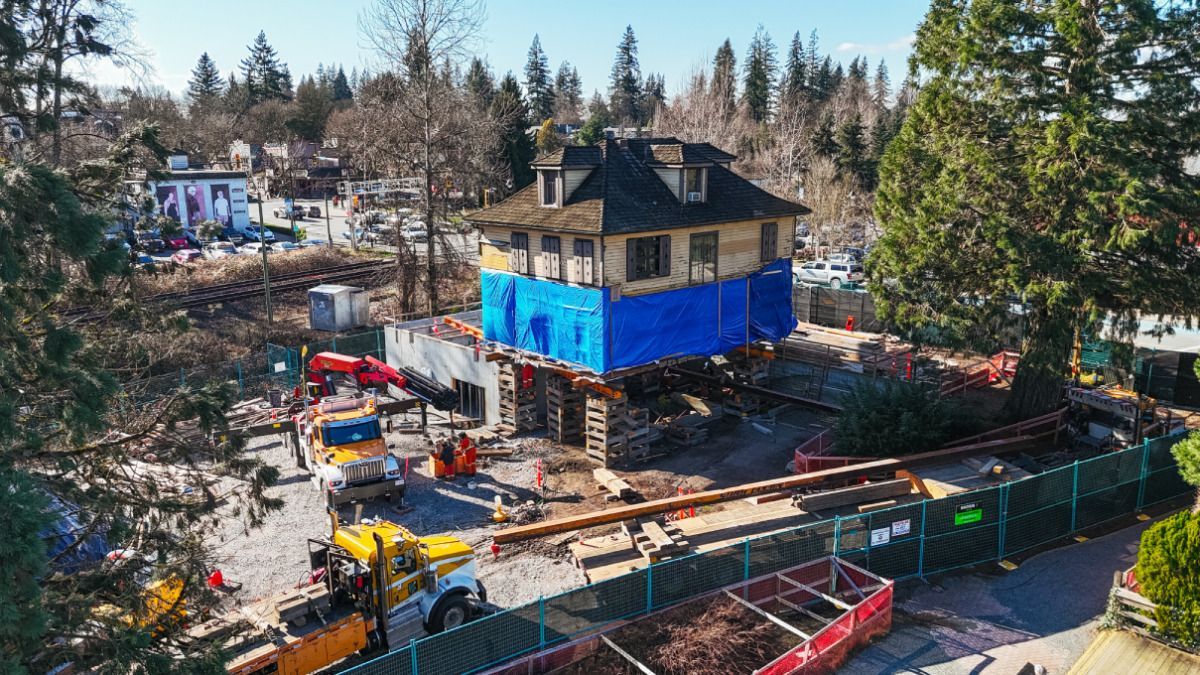
The Haldi House has been moved to its new location, perched above the flood control level on Glover Road in Fort Langley. Setting the house on its new foundation is a key step in the restoration of the 1908 heritage building, and will allow crews to continue preserving the historic house exterior and rehabilitating the interior as a community space. 👉 Read More Here
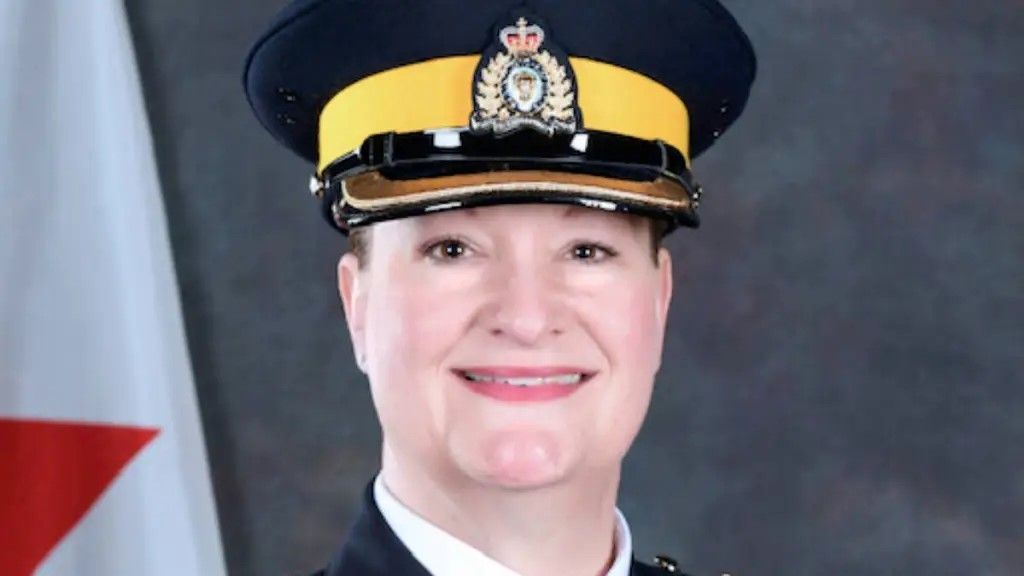
In 2026, the realization of women’s equality is closer than it has ever been. But according to Community Living B.C. executive Annette Borrows, a Langley Central Rotarian, society still has a very long way to go to achieve that goal. 👉 Read More
VICTORIA — British Columbia has launched a $400 million fund to directly invest in private-sector projects or provide them with loans. 👉 Details Here