
Wondering how to pay for your home renovation?
Rita Cousins, Senior Mortgage Advisor • January 14, 2020
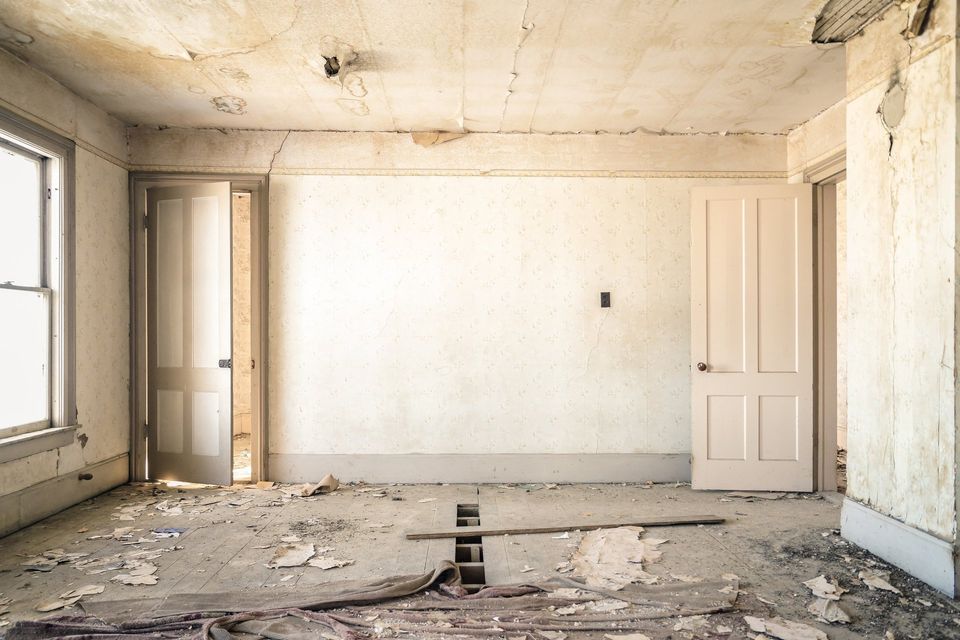
Are you contemplating hardwood floors, a new kitchen or energy efficient solutions for your existing or new home? Are you wondering how to pay for this renovation project?
Take a look at these affordable financing solutions to renovate the home of your dreams!
The body content of your post goes here. To edit this text, click on it and delete this default text and start typing your own or paste your own from a different source.
Mortgage Refinancing
Take advantage of record low interest rates and spread your renovation financing repayment over a long
period of time by refinancing your mortgage.
Benefits
• Borrow up to 80% of your home’s appraised value (less any outstanding mortgage balance).
• Pay less interest than credit card or personal loan rates
• Access funds immediately
• Suitable for large scale renovations
Financing improvements upon-purchase
Finance your renovation project at the time of a new purchase by adding the estimated costs to your
mortgage with CMHC Mortgage Loan Insurance. You can obtain financing with only 5% down payment
for both the purchase of your home and the renovations for up to 95% of the value after renovations!
Benefits
• Funds advanced for up to 95% of the value after renovations
• No additional fees or premiums for progress advances
• Competitive interest rates
• CMHC issues premium rebates for Energy saving renovations
Secured Line of Credit & Home Equity Loans
Use a secured line of credit or home equity loan to pay for your renovation. Securing your renovation loan
against the equity in your home can typically be up to 80% of the property value; accessible at any time.
Benefits
• Lower interest rates than non secured financing
• Access funds at any time
• Interest only payments
Talk to your mortgage broker today to review your renovation financing options!

Rita Cousins Senior Mortgage Advisor
mortgages@ritacousins.com
C 604 230 9206
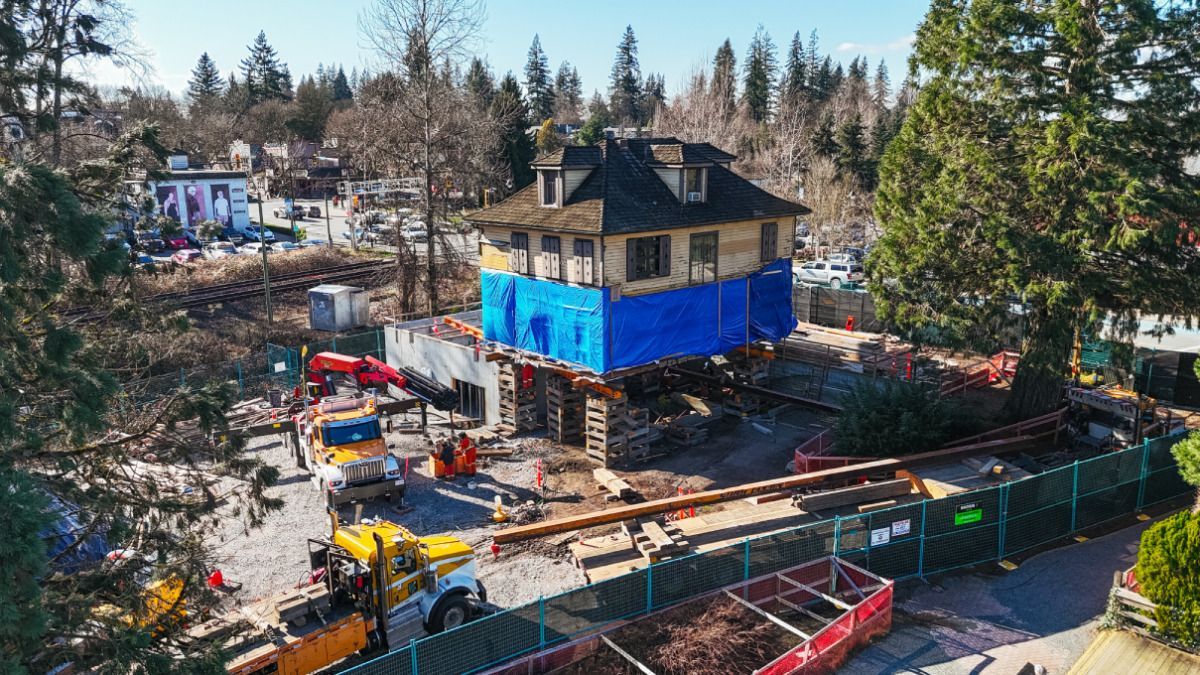
The Haldi House has been moved to its new location, perched above the flood control level on Glover Road in Fort Langley. Setting the house on its new foundation is a key step in the restoration of the 1908 heritage building, and will allow crews to continue preserving the historic house exterior and rehabilitating the interior as a community space. 👉 Read More Here

In 2026, the realization of women’s equality is closer than it has ever been. But according to Community Living B.C. executive Annette Borrows, a Langley Central Rotarian, society still has a very long way to go to achieve that goal. 👉 Read More
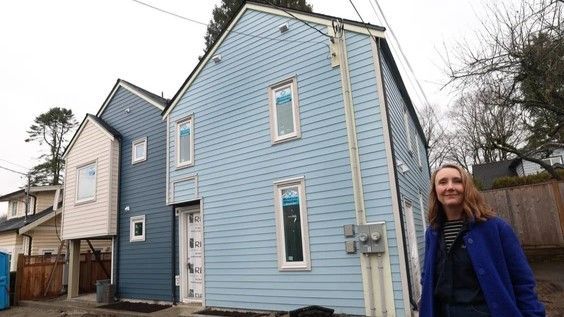
VICTORIA — British Columbia has launched a $400 million fund to directly invest in private-sector projects or provide them with loans. 👉 Details Here