
B.C. Election 2020: How, where and when to vote
Lynn Mitges • October 8, 2020
Here's what you need to know to register to vote, and cast a ballot either by mail or in person.
Mark Oct. 24 on your calendar to cast your vote in the provincial election. But first, make sure you are registered to vote by Sept. 26.
How do I register to vote?
In order to be eligible, you must be 18 years of age by Oct. 24, a Canadian citizen, and a B.C. resident for the past six months.
If you are already registered from voting in 2017, you should receive a card from Elections B.C. If not, you can update your information by phone at 1-800-661-8683 or online.
You can also download and fill out a form available on the elections.bc.ca website and mail, fax or bring it in person to the Victoria office.
If you register or update your information by phone, you will need to provide your name, date of birth, address and one identification number, such as a driver’s licence number, a B.C. identification card number or social insurance number.
Voter registration closes at 8 p.m. on Sept. 26. Online registration closes at midnight the same day.
How do I vote in person?
Voting in person will look similar to going to the grocery store: wear a mask — although this is not mandatory — and observe social distancing. Voters wearing masks will not be asked to remove them at any point while voting. Voters will be asked to use hand sanitizer before and after casting their ballot. Voters can also bring their own pen or pencil to mark the ballot. Some precautionary measures, such as not handing your identification to the election official, and verbally stating you are eligible to vote instead of signing the registry, will be in place.
Voting will invariably take longer as officials will be cleaning surfaces and protective barriers, and voters will be using hand sanitizer stations. The number of voters at stations will be restricted according to social distancing requirements as well.
Chief electoral officer Anton Boegman sayshe expects voters will spend about the same amountof time it takes to order a cup of coffee at their favourite outletas it will to vote at a polling station.
You’ll be able to update your voter information in person when you vote, but it will take longer than if you do this ahead of time either online or by phone, as outlined above.
How do I vote by mail?
Once you have registered or updated your information, you will need to request a vote-by-mail package. Anyone can vote by mail — the only criterion is that you prefer not to vote in person.
Information will be confirmed shortly by Elections B.C. and you can find out which stations are available, and you can download the Where to Vote app. The information on voting stations is still being updated, so check back.
Vote-by-mail packages must be returned to Elections B.C. by Oct. 24 at 8 p.m., so voters should request the package as soon as possible, vote, then send it off. Voters can also return their completed package in person to any drop-off location which are still being confirmed and will be posted on the website as soon as possible.
Elections B.C. estimates that 35 per cent of voters, about 800,000 people, will choose to vote in the Oct. 24 election using mail-in ballots. The sheer number of mail-in ballots could mean that election results won’t be known for nearly two weeks after election night.
Elections B.C., which has already received 20,000 requests for mail-in ballots, said the mail-in votes won’t be fully counted until Nov. 6.
In 2017, only, 6,500 people opted for mail-in voting.
How can I vote in advance polling?
There will be polling stations set up for advance voting, which will take place from Oct. 15 to 21, from 8 a.m. to 8 p.m., one more day for voting than there was in 2017. The advance polling includes two weekend days, Saturday, Oct. 17, and Sunday, Oct. 18.
Where do I vote?
You can search for your electoral district by your postal code, the name of the district if you know it, by the candidate’s name, or by using a map. All options are on the Elections B.C. site, which is easy to use and self-explanatory.
There are 87 electoral districts in the province. If you need any assistance, call 1-800-661-8683.
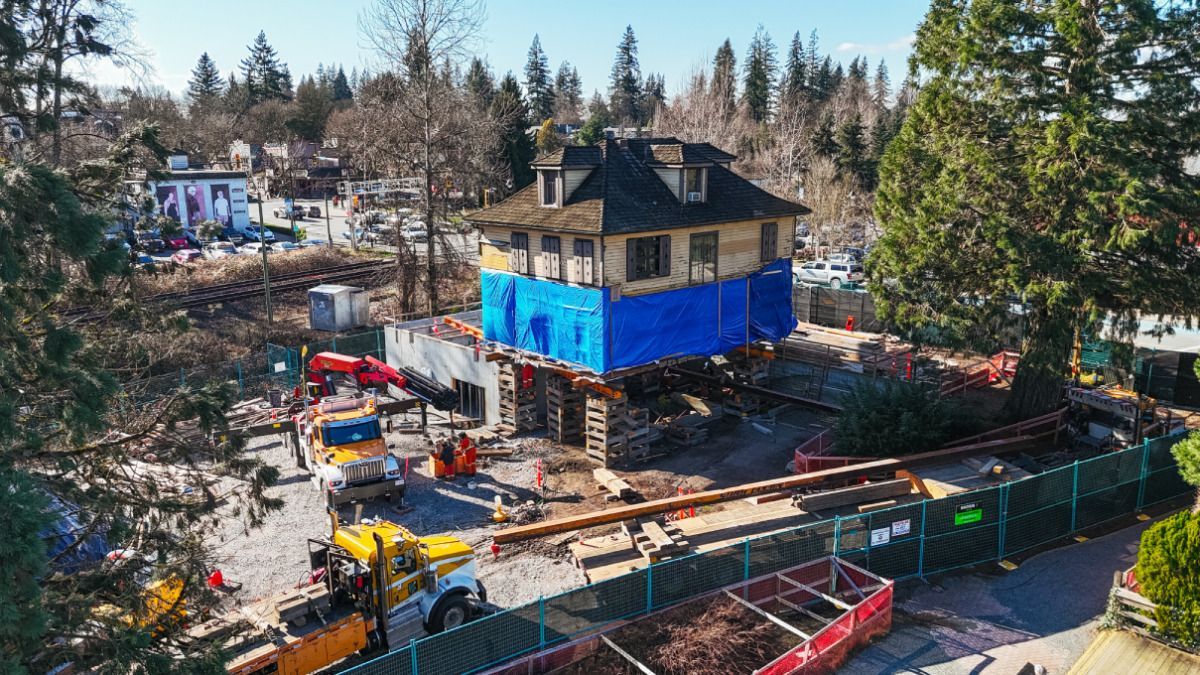
The Haldi House has been moved to its new location, perched above the flood control level on Glover Road in Fort Langley. Setting the house on its new foundation is a key step in the restoration of the 1908 heritage building, and will allow crews to continue preserving the historic house exterior and rehabilitating the interior as a community space. 👉 Read More Here
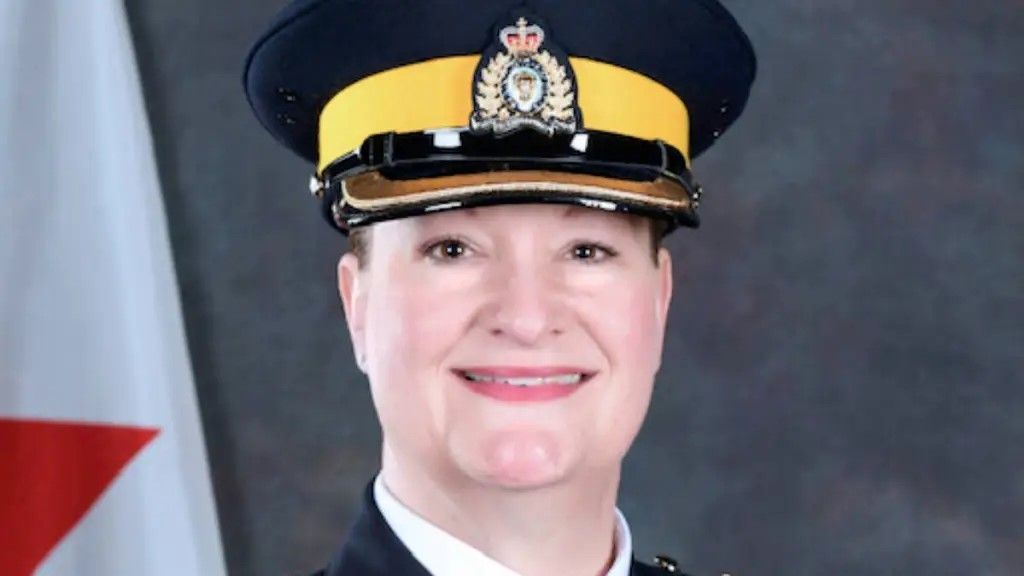
In 2026, the realization of women’s equality is closer than it has ever been. But according to Community Living B.C. executive Annette Borrows, a Langley Central Rotarian, society still has a very long way to go to achieve that goal. 👉 Read More
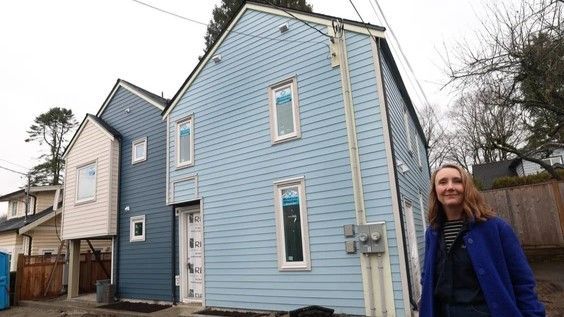
VICTORIA — British Columbia has launched a $400 million fund to directly invest in private-sector projects or provide them with loans. 👉 Details Here