
More disposable income, tight supply keep B.C. housing market strong despite COVID-19: report
the Editors • October 8, 2020
Not even a global pandemic can keep the province's real estate industry down.
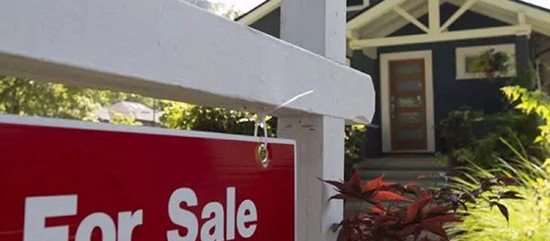
The British Columbia Real Estate Association’s latest report, The Unusual World of Pandemic Economics, seems to contradict its title. Or maybe that’s the point.
In any case, the hammering that many parts of the economy have seen thanks to the COVID-19 pandemic hasn’t been felt by the province’s real estate industry, at least according to the BCREA.
“Looking at recent data in the housing market, it would be difficult to tell there was a recession at all,” said BCREA chief economist Brendon Ogmundson in a release. “In a typical recession, we would see falling demand and rising supply, but this recession is anything but typical.”
The report points to uneven job losses across sectors, an increase in many households’ rate of savings, swift government aid, a tighter-than-ever housing supply and low interest rates as the drivers behind B.C.’s recent housing market highs.
Notably, high-income households have been much less affected by the crisis than middle- or lower income families. Household savings and disposable income have also increased, with the latter jumping 11 percent from the first quarter of 2020 to the second, according to the report.
With people not as keen to show their homes or move during the pandemic, supply has shrunk, too, creating some pent-up demand.
The BCREA’s current prediction for 2020 MLS sales is in the 80,000 range, which would beat 2019’s tally of 77,331. The group is also predicting a massive bump for next year.
“We expect home sales will sustain this momentum into 2021, aided by record-low mortgage rates and a recovering economy,” noted Ogmundson.
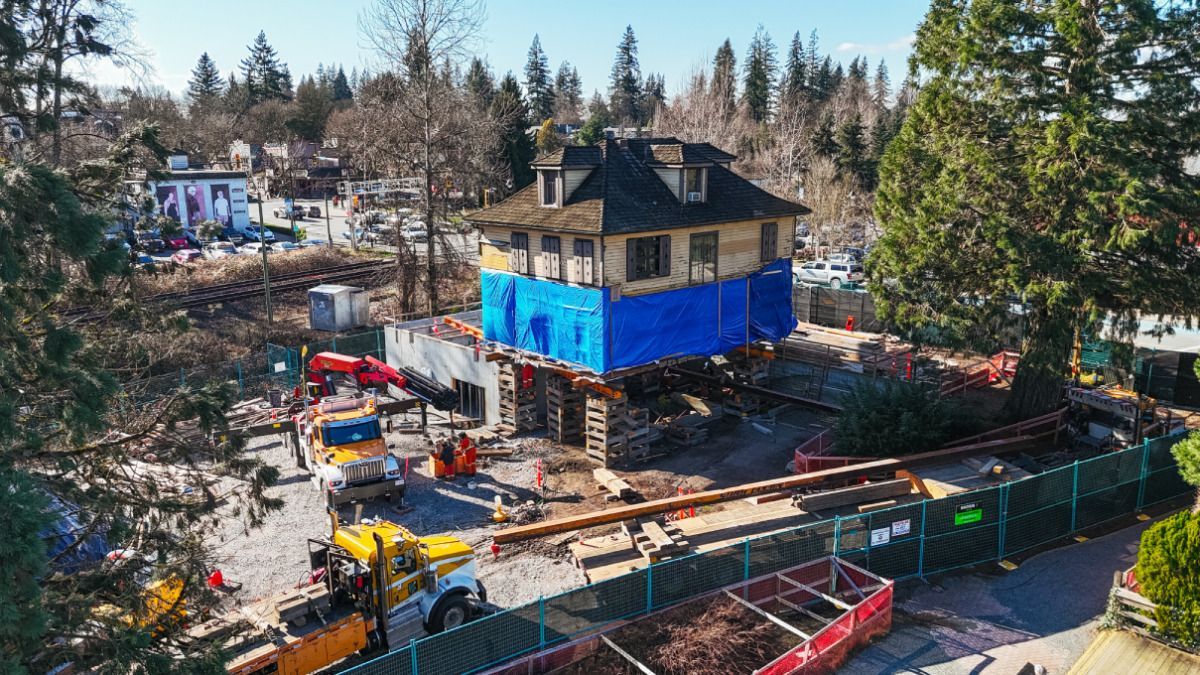
The Haldi House has been moved to its new location, perched above the flood control level on Glover Road in Fort Langley. Setting the house on its new foundation is a key step in the restoration of the 1908 heritage building, and will allow crews to continue preserving the historic house exterior and rehabilitating the interior as a community space. 👉 Read More Here

In 2026, the realization of women’s equality is closer than it has ever been. But according to Community Living B.C. executive Annette Borrows, a Langley Central Rotarian, society still has a very long way to go to achieve that goal. 👉 Read More
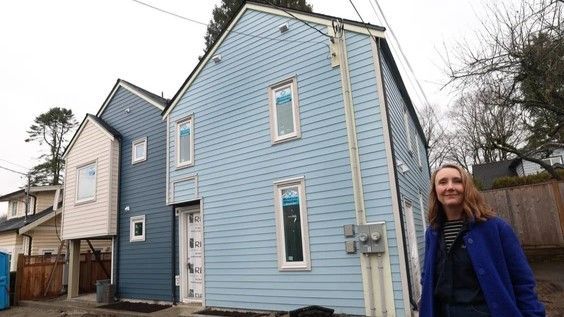
VICTORIA — British Columbia has launched a $400 million fund to directly invest in private-sector projects or provide them with loans. 👉 Details Here