
Vancouver’s red-hot housing market starting to cool
Frank O'Brien, Western Investor • May 18, 2021
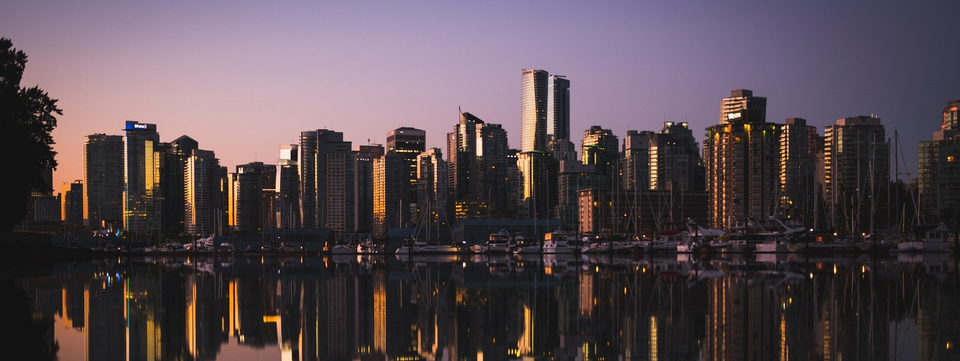
Sales ‘ froth’ coming off as higher supply begins to meet buyer demand across Greater Vancouver, early April data shows.
As of April 15, home sales were down fractionally from the same period a month earlier, with 2,402 transactions compared to 2,663 sold as of mid-March, according to early data from the Greater Vancouver Real Estate Board, but the number of active listings increased to 10,301, up from 9,467 at the same time a month earlier.
The sales-to-listing ratio dipped to 59 per cent in mid-April, down from 62 per cent in mid-March.
The changes may seem minor, but April was the first month-over-month decline in sales in nearly a year and veteran real estate agents say the signals are clear.
“While the beat carries on, the tune is a little different this month. The volume has come down a little on Greater Vancouver’s real estate market,” said Kevin Skipworth, managing broker with Dexter Associates Realty in Vancouver, who supplied the early April data.
Kush Panatch, president of residential developer Panatch Group, said the market exuberance of the last 10 months, characterized by multiple offers and homes selling for well over the asking price, was based largely on buyers’ psychological fear of missing out.
“I saw some very intelligent people make less than stellar decisions,” Panache said, who noted he has seen similar wild, short swings in the market half a dozen times through his 30 years in Greater Vancouver real estate.
The fear of missing out will end soon, he predicted.
“You have already missed out,” said Panatch. He believes Metro Vancouver sales are now cycling into a “gentle market downturn” that will likely continue for some months.
“This is not a market correction, but the crazy froth in the market is ending,” he added.
Panatch, who sold out a 290-unit Port Moody condo development in the last year noted the final 100 units sold in less than three months.
“When we launched last March, just as the pandemic was starting, it would take buyers four to six weeks to make a decision to buy. By this March, decisions were being made in a day,” he said, even though he raised prices by from $10,000 to $50,000 per condo unit.
Panatch said a lot of developers who had delayed new strata project launches last year rushed to get their units onto the market as demand and prices began to increase last fall. There was also an increase in condo investors, he added, especially in pre-sales of concrete tower condo projects.
As a result, Metro Vancouver housing starts soared 115 per cent in March, to 3,711 units, compared to March 2020, and nearly 90 per cent of the supply was condo apartments.
This new strata supply, Panatch said, combined with rising new resale listings, will flatten Greater Vancouver’s steady increase in prices, which were 11 per cent higher in March than a year earlier.
“I don’t see prices coming down, ” he said.
Panatch and Skipworth both believe that a post-pandemic period, with an expected upturn in immigration and foreign buyers, and a strengthening economy, will begin the next up cycle in Greater Vancouver housing sales.
After soaring 128 per cent in March to set an all-time sales record, Greater Vancouver’s red-hot housing market is starting to cool down, early April data shows
As of April 15, home sales were down fractionally from the same period a month earlier, with 2,402 transactions compared to 2,663 sold as of mid-March, according to early data from the Greater Vancouver Real Estate Board, but the number of active listings increased to 10,301, up from 9,467 at the same time a month earlier.
The sales-to-listing ratio dipped to 59 per cent in mid-April, down from 62 per cent in mid-March.
The changes may seem minor, but April was the first month-over-month decline in sales in nearly a year and veteran real estate agents say the signals are clear.
“While the beat carries on, the tune is a little different this month. The volume has come down a little on Greater Vancouver’s real estate market,” said Kevin Skipworth, managing broker with Dexter Associates Realty in Vancouver, who supplied the early April data.
Kush Panatch, president of residential developer Panatch Group, said the market exuberance of the last 10 months, characterized by multiple offers and homes selling for well over the asking price, was based largely on buyers’ psychological fear of missing out.
“I saw some very intelligent people make less than stellar decisions,” Panache said, who noted he has seen similar wild, short swings in the market half a dozen times through his 30 years in Greater Vancouver real estate.
The fear of missing out will end soon, he predicted.
“You have already missed out,” said Panatch. He believes Metro Vancouver sales are now cycling into a “gentle market downturn” that will likely continue for some months.
“This is not a market correction, but the crazy froth in the market is ending,” he added.
Panatch, who sold out a 290-unit Port Moody condo development in the last year noted the final 100 units sold in less than three months.
“When we launched last March, just as the pandemic was starting, it would take buyers four to six weeks to make a decision to buy. By this March, decisions were being made in a day,” he said, even though he raised prices by from $10,000 to $50,000 per condo unit.
Panatch said a lot of developers who had delayed new strata project launches last year rushed to get their units onto the market as demand and prices began to increase last fall. There was also an increase in condo investors, he added, especially in pre-sales of concrete tower condo projects.
As a result, Metro Vancouver housing starts soared 115 per cent in March, to 3,711 units, compared to March 2020, and nearly 90 per cent of the supply was condo apartments.
This new strata supply, Panatch said, combined with rising new resale listings, will flatten Greater Vancouver’s steady increase in prices, which were 11 per cent higher in March than a year earlier.
“I don’t see prices coming down, ” he said.
Panatch and Skipworth both believe that a post-pandemic period, with an expected upturn in immigration and foreign buyers, and a strengthening economy, will begin the next up cycle in Greater Vancouver housing sales.
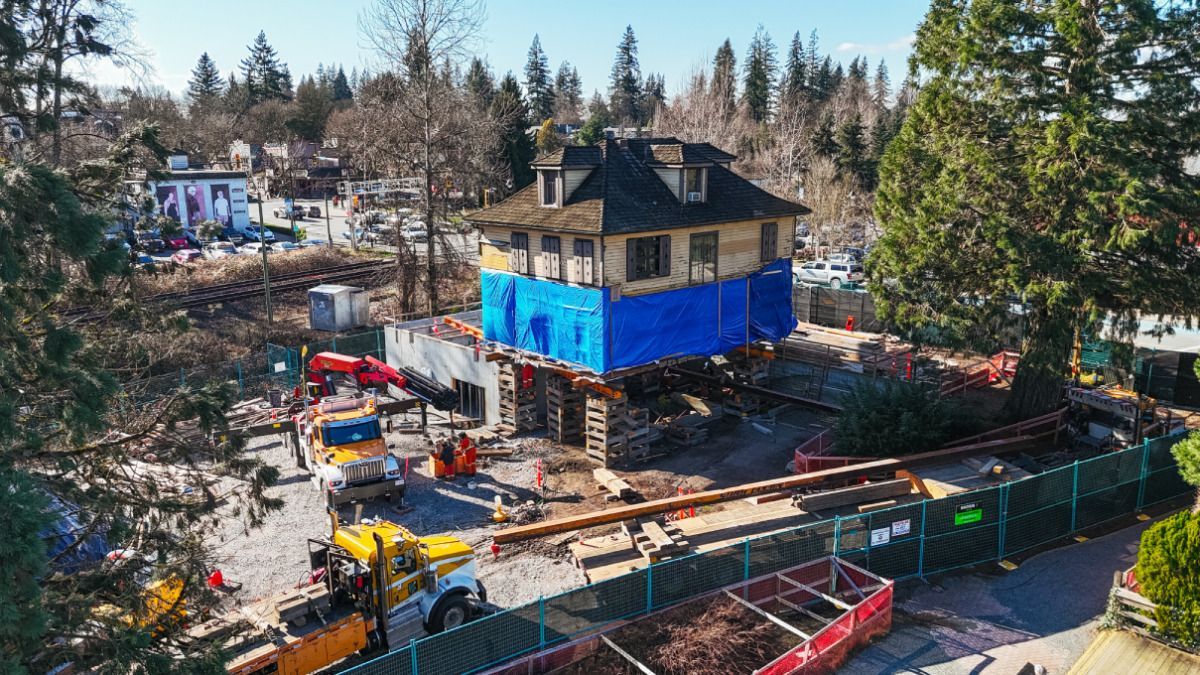
The Haldi House has been moved to its new location, perched above the flood control level on Glover Road in Fort Langley. Setting the house on its new foundation is a key step in the restoration of the 1908 heritage building, and will allow crews to continue preserving the historic house exterior and rehabilitating the interior as a community space. 👉 Read More Here

In 2026, the realization of women’s equality is closer than it has ever been. But according to Community Living B.C. executive Annette Borrows, a Langley Central Rotarian, society still has a very long way to go to achieve that goal. 👉 Read More
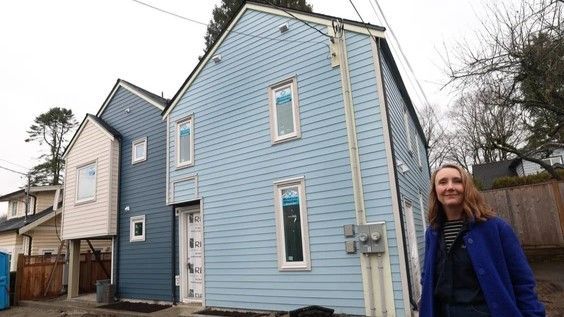
VICTORIA — British Columbia has launched a $400 million fund to directly invest in private-sector projects or provide them with loans. 👉 Details Here